Mechatronics
Every machine is complex. There’s a power supply, valves (maybe), or hydraulics and motion control. You might have some logic for that tool and a sensor at a tricky point in the process.
Troubleshooting means knowing all the systems in your machine and how they interact. And knowing how your machine works within the system that is your plant.
How Automation Works, Inside and Out
As you earn your certificate in mechatronics, you learn how each system works:
- Fluid power systems
- Integrated systems
- Programmable controller applications
You also gain an understanding of predictive maintenance and industrial safety.
Big Picture Thinking + Hands-on Expertise
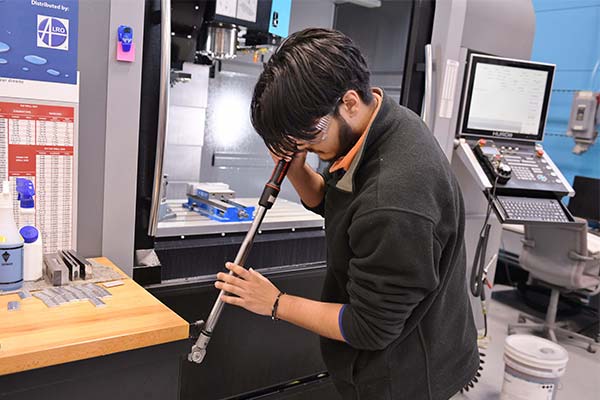
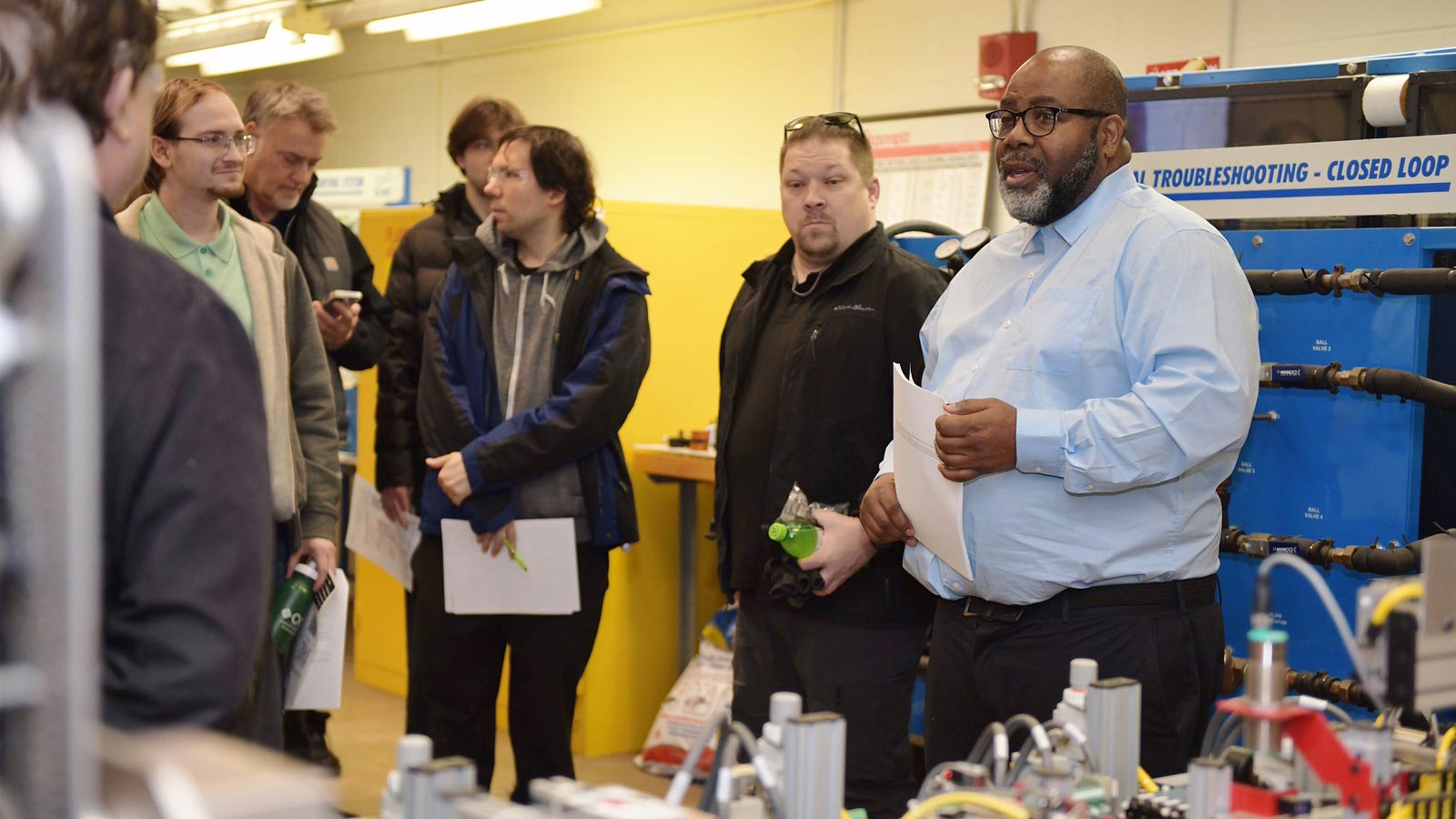
Your classes walk you through the math and science that make each system work properly. In the mechatronics lab, you practice hands-on with each system. Lab work includes analyzing working systems and troubleshooting others. You practice until the technical theory makes sense within the real system.
Your classes also help you map out how each system in the machine influences the next. That's how you move from being good with industrial machines to being brilliant.
Two Stackable Certificates
Learning Mechatronics starts in the Fall, when all classes for the first certificate (Certificate of Achievement) are offered. Keep going with classes for the second certificate. Every semester we offer some additional classes for the Certificate of Completion.
Certificate of Achievement (MCT.CT)
Take five classes, for a total of 14 credits:
- Industrial Safety
- Fluid Power Systems
- Integrated Systems
- Programmable Controller Applications
- General Predictive Maintenance
Certificate (MCT.CA)
Add these courses to the five in the first certificate, for a 33-credit program:
- Advanced Fluid Power
- Industrial Controls
- Shop Floor Networking
- Mechanical Drives I
- Mechanical Drives II
- Motor Controls
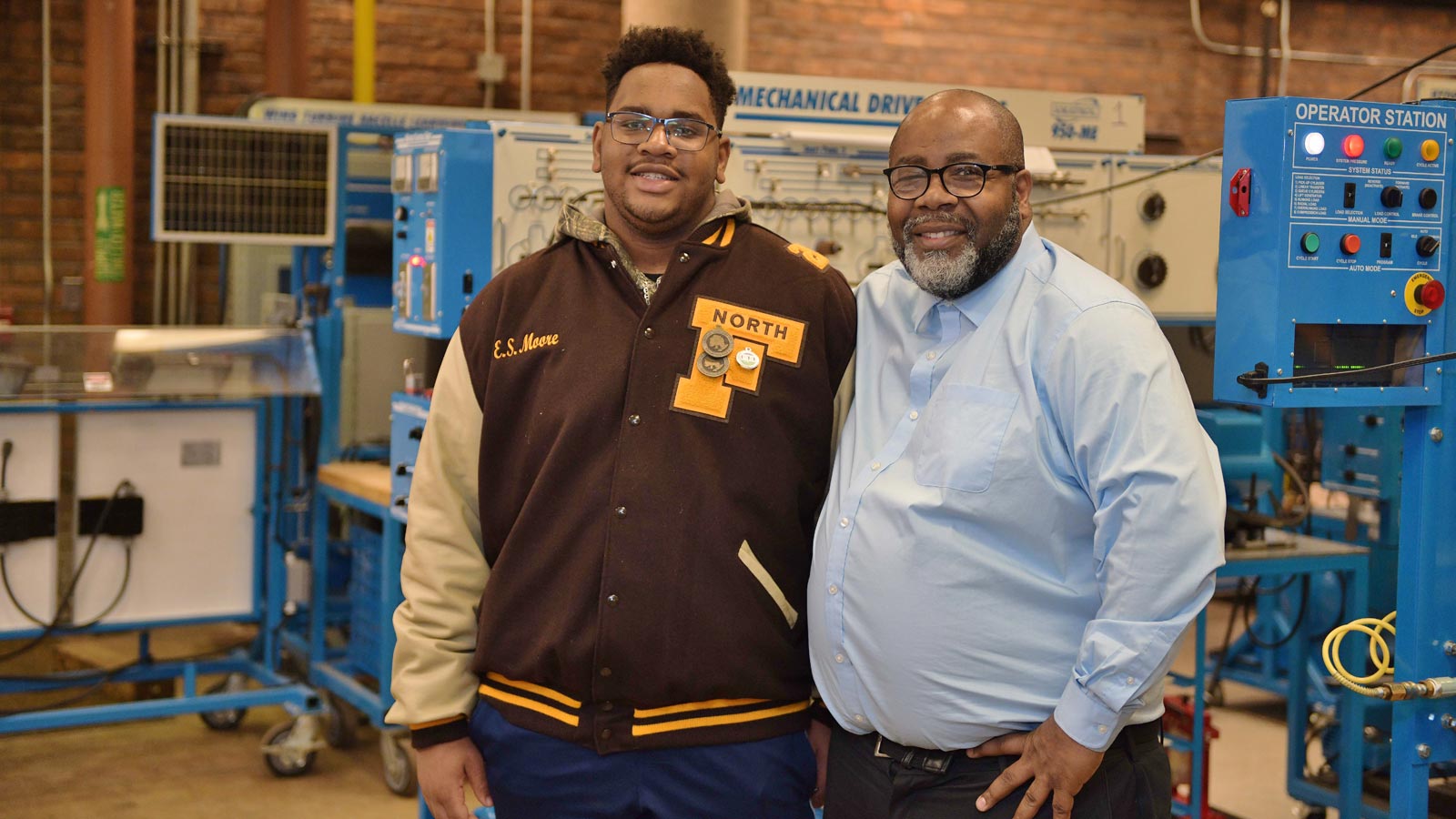
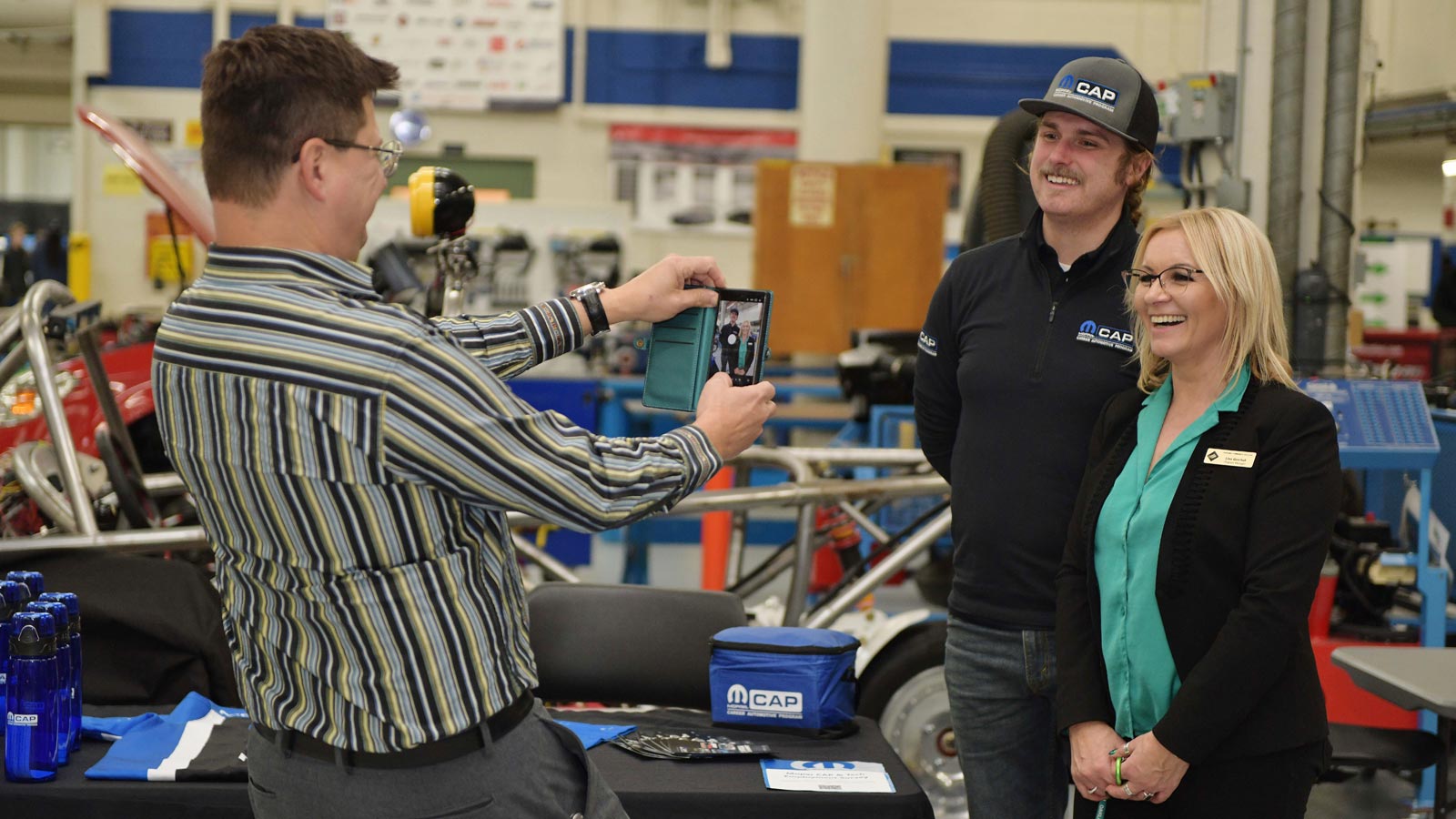
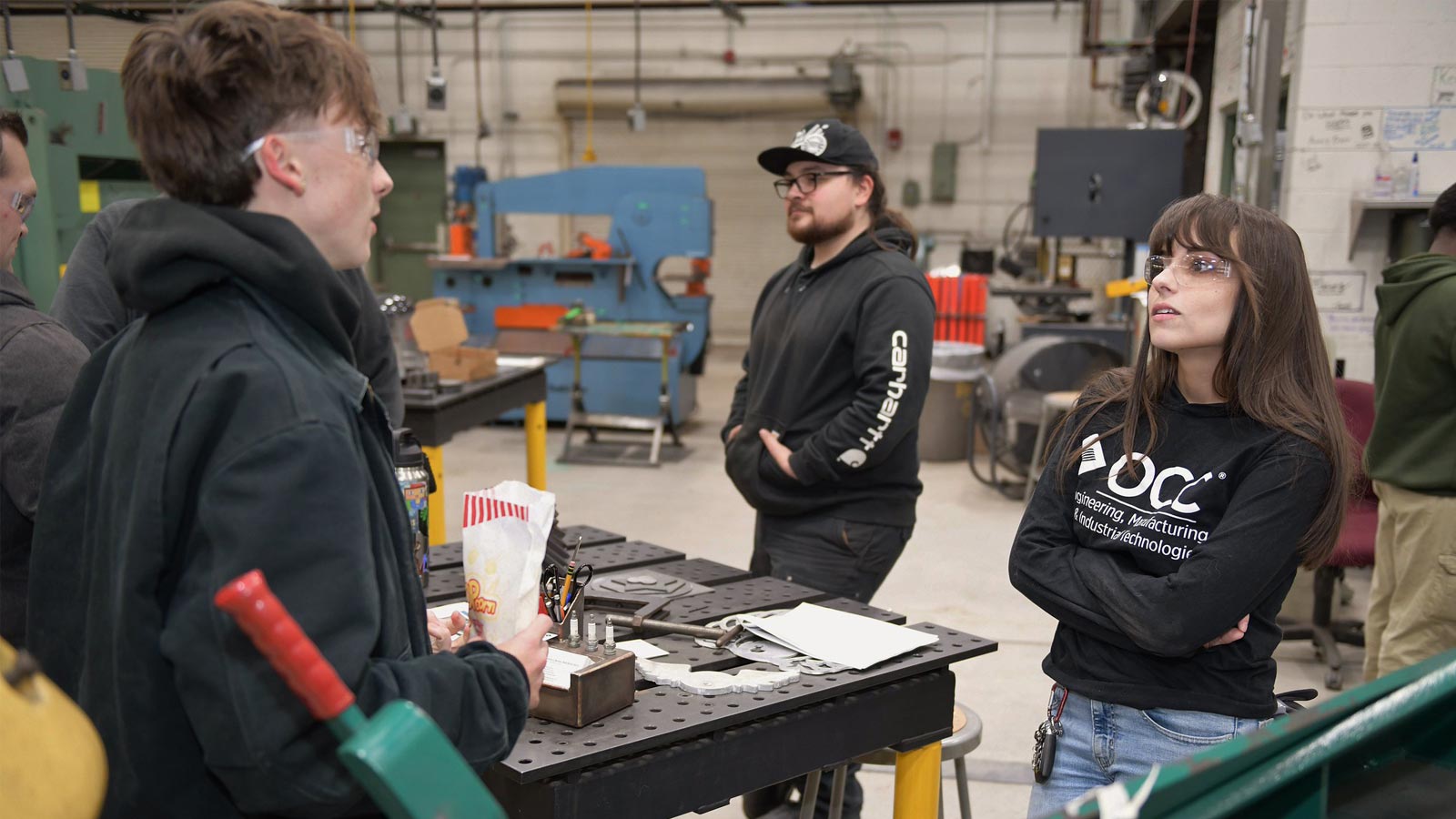
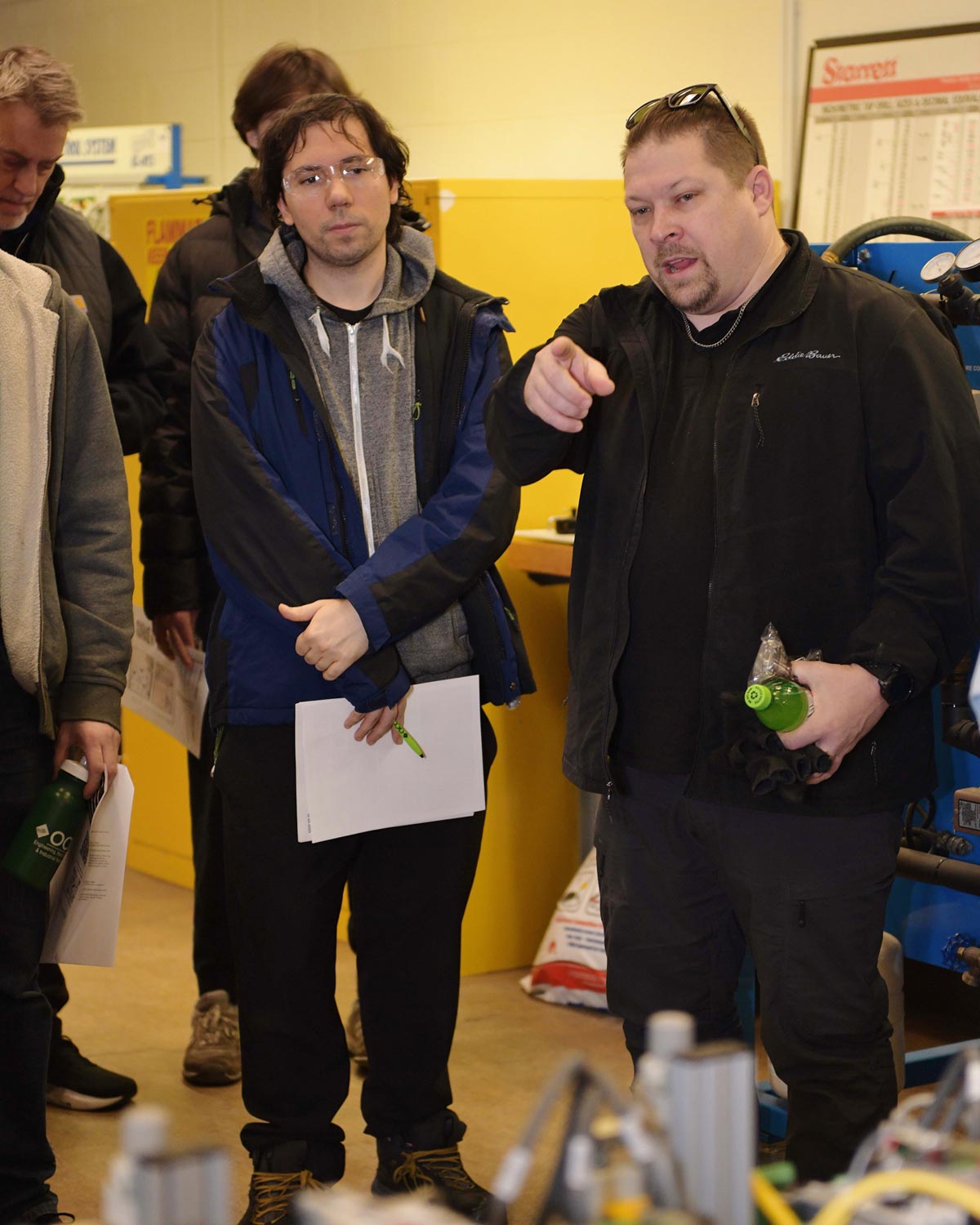
Look Inside the Mechatronics Lab
Program Highlights



A Job with Industry
These certificates prepare you to work as an industrial maintenance technician, industrial machinery maintenance worker, or industrial machinery mechanic.
Overall employment of industrial machinery mechanics and related workers is projected
to grow 13% percent from 2024 to 2034, much faster than the average for all occupations.
Even when industry is not expanding, workers are needed to replace those who move
on to other careers or to retirement.
Bureau of Labor Statistics
Get Started Today!
Begin your studies with these steps:
- Apply to OCC. If you’re not already an OCC student, create a profile and complete our online application.
- On the application, select ‘Mechatronics.’
- Existing OCC students: Update your academic program using the Change of Program Form.
Continue to an Associate Degree, Maybe Beyond
Your credits can become part of an associate degree in technological sciences, or take you further. All your certificate courses can be applied to the Technological Sciences Associate in Applied Science Degree.
Even if you’re not sure a degree is in your future, this certificate opens that door for the day your plans change.
Prepare to Transfer – Even if You Are Not Planning to Today!
Maximize your OCC-applicable credits upon transfer. Plan early and work with an OCC counselor or advisor throughout your OCC experience. If you pursue an associate in applied science, you
may satisfy the Michigan Transfer Agreement by taking as few as four additional courses. Save time, money and aggravation!
Whatever your program of study, OCC has many Transfer Credit Agreements with colleges and universities to help you navigate your way to a bachelor's degree.
View the College Transfer Success Guide for more information.
Contact Information
Robert Williams
Mechatronics Faculty
Phone: (248) 232-4516
Location
Auburn Hills Campus (Driving Directions)
2900 Featherstone Rd
Auburn Hills, MI 48326-2845
More to Explore
Considering Mechatronics? You might also be interested in these programs: